Stories

CRISPR is already changing medicine, food, and how labs understand the living world. Here are three you can tell.

Medicine

Treatments that work — access that does not

From treating sickle cell disease to saving Baby KJ, CRISPR treatments are real. These are treatments, not cures for everyone — and a scarcity of trained people keeps them scarce and expensive.

Join us to help make these treatments accessible to all. CRISPR Collective does not manufacture therapies. We build awareness and the next generation of talent.

Casgevy is the on-market sickle-cell treatment. KJ is the person, not the product.
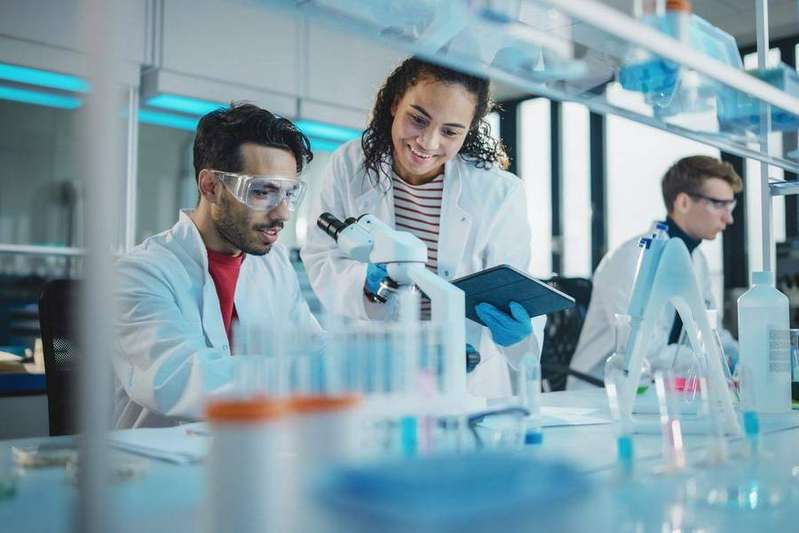
Scientists collaborating at a microscope in a research lab
Agriculture

India’s CRISPR rice — own genes, more food

India’s CRISPR rice handles drought by editing the rice’s own genes. More food, no foreign DNA.

That is a pencil edit in a book that is already rice — not a transgenic insert. The same idea shows up across labs and farms working on hardier plants.

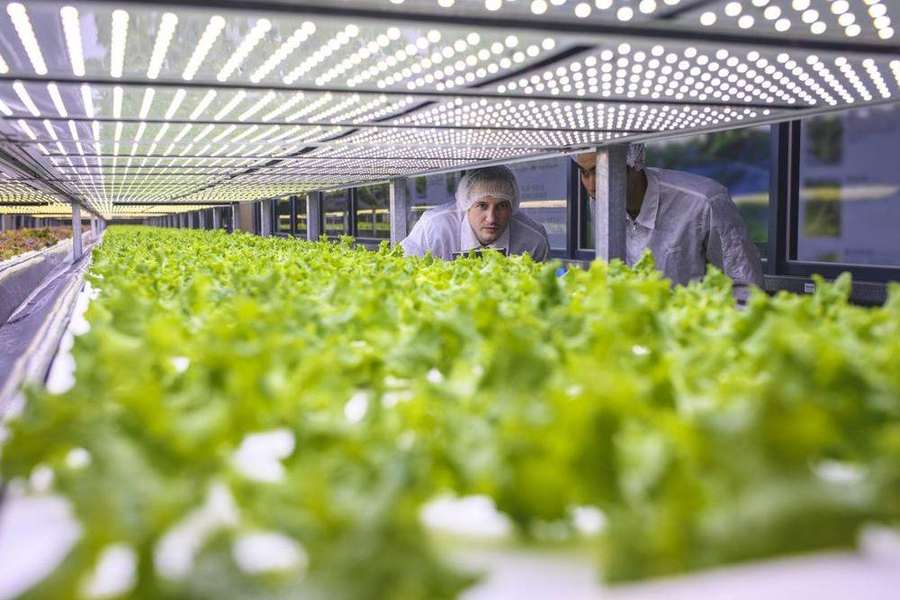
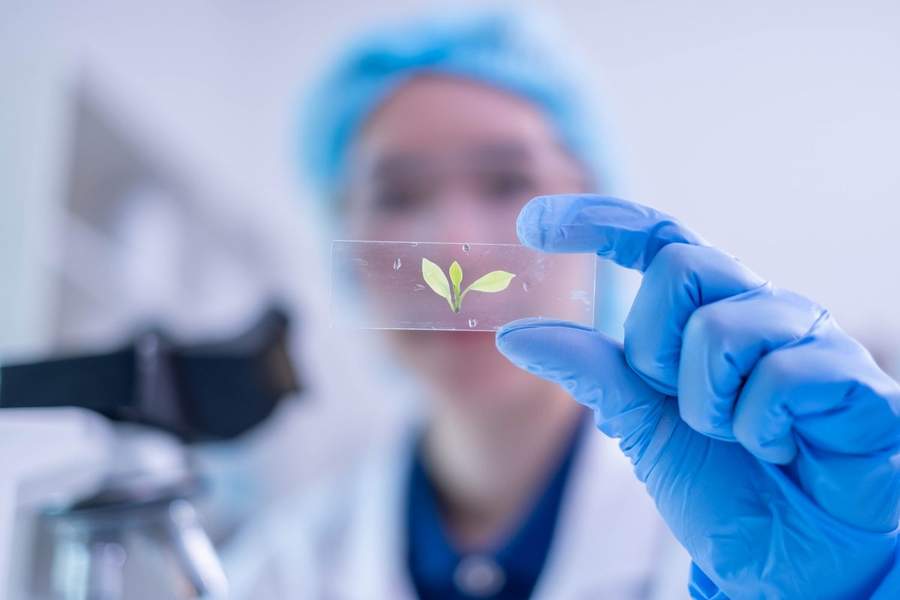
Scientists observing lettuce crops in a vertical farm under LED lights Gloved hand holding a seedling on a microscope slide in a plant biology lab
Environment

Plastic bottles again — and a lab map for coral heat

CRISPR-built microbes are breaking down plastic bottles so they can be made into bottles again. True recycling, not downcycling.

For coral, CRISPR is how labs read heat genes — a map of why reefs bleach, and which ones don’t. It is a lab tool, not a claim that CRISPR protects coral from the sun.

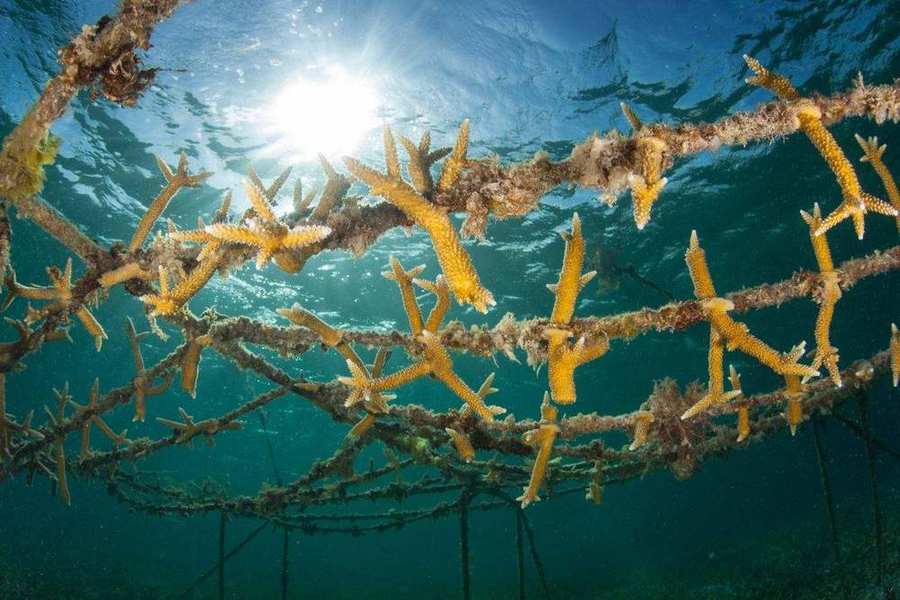
Coral nursery fragments growing underwater with sunburst light — mood image for reef research

The world needs you.

Get involved